How PVT Reduces Borehole Size in Ground Source Heat Pump SystemsUp to 30% Reduction in Drilling Length – Evidence-Based Analysis

PVT Reduces Borehole Size in GSHP Up to 30%

How PVT Reduces Borehole Size in Ground Source Heat Pump Systems: Up to 30% Reduction in Drilling Length – Evidence-Based Analysis.
Reduce drilling cost, land use, and system complexity through PVT-assisted heat pump design.
Reduce borehole length by up to 30%
Lower installation cost (drilling = 30%+ of system cost)
Improve long-term system efficiency.

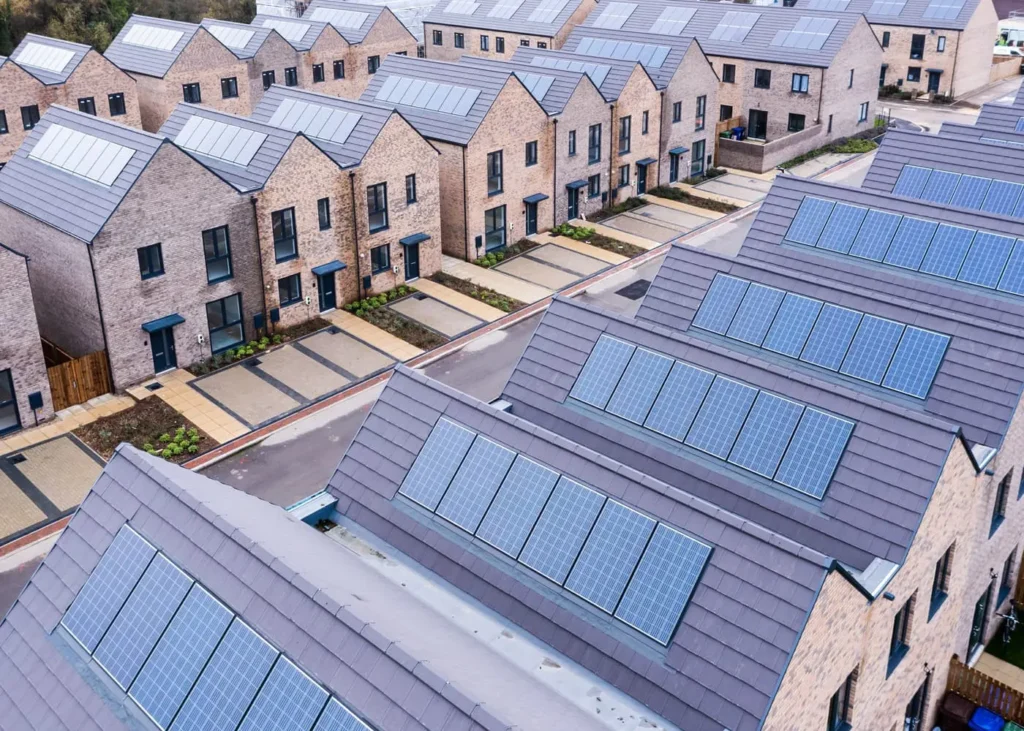
Ground-Source (Geothermal) Heat Pumps

Why Borehole Size Matters

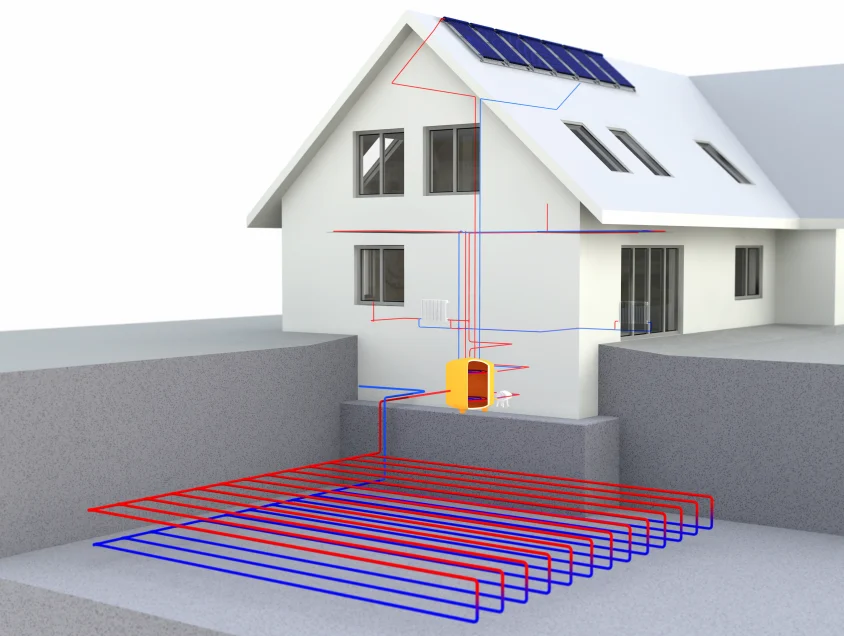
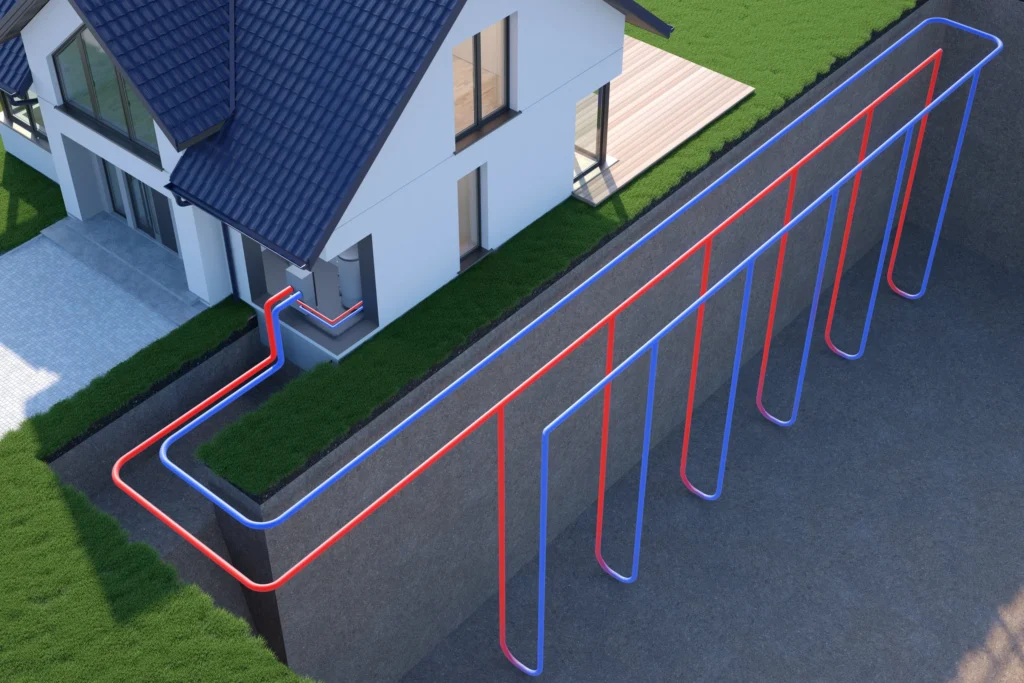
Ground source heat pump (GSHP) systems rely on borehole heat exchangers (BHE).

Drilling is expensive

Land is limited
Overdesign leads to high CAPEX

Borehole installation can represent >30% of total system cost

Reducing borehole size = the single biggest cost lever

.

dm 20260423133552 001

How PVT Changes the System

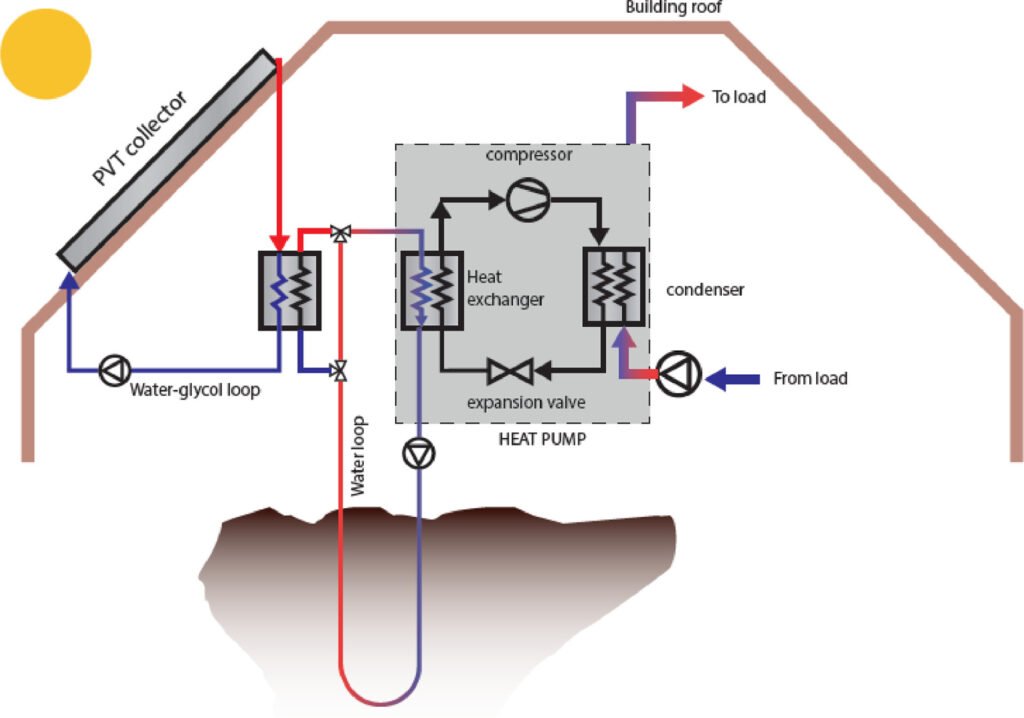
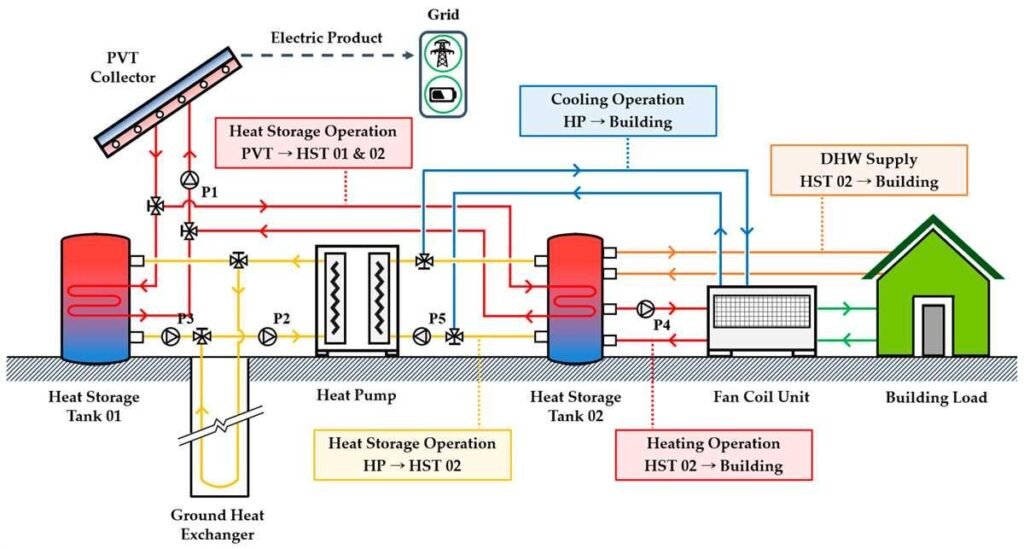
scheme of dual source idx pvt sahp pvt and geothermal hx on same water circuit

PVT (Photovoltaic-Thermal) systems provide:

Additional heat input to ground loop
Regeneration of borehole temperature
Reduced thermal depletion

PVT acts as a “ground source booster”.

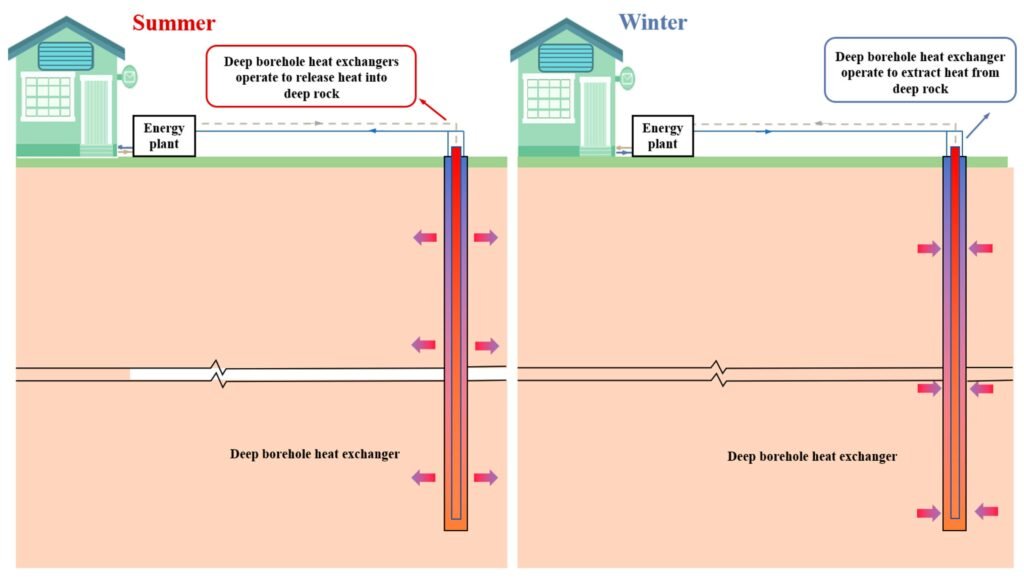
Mechanism Visualization

  • PVT provides additional thermal input
  • Ground temperature is regenerated
  • Heat extraction demand is reduced
n4n0wgfun gsj2wlprfcaryirczx okbel2ba0dxod7td0oyl90zghe1ko9f395tgqund9ukl726vcju 5nacjmqnbz6ozk7cgai7gx5tqenwxcnkwai44swlu4yfuhxd4xkdecawzj lacsbhijywiwey29wdmto2akmybp 70goetoxrps2infkmj5k8e0 (2)

Borehole Reduction vs Performance

23a 0smlkg5uemm43zojsmwmlkkyvxcvtdelnmbhlpgpoitjyttzfmnqbj5av mbpzwtemwoe6e80qgakekzbbpxojgfjnsxxsqy9k5mwqt amlgqv5ileo t3q0anrkro7g00 4myxqvbb8pju3xi7mpypo48 pkny3utha5ezrxzdx zsllryb72v34g6

Borehole Length vs System COP

  • Borehole length ↓
  •  

.

Ground Temperature Over Time


PVT mitigates long-term thermal depletion

ztttwyt1voumsw6 qenj vnvid11jwt46zhzmbyh8ckoeynsvgxbm5pq8blxfde9242zgddsoru2avh7z4mabsilsyzahhtbsq6mtokhr8v4k6djhgejrhtl4qjrsznnbeudjh0dkgirhipln81kifvp7axg0xiosjuxpbllpzxskhkez8adyidpprk2lvpo

Research Sources & Validation

Peer-Reviewed Journals
Studies on PVT-assisted ground source heat pump systems
Simulation-based optimization research
Multi-source renewable heating system analysis

Energy Journal
Solar Energy Journal
Energy and Buildings
Research Institutions
Oak Ridge National Laboratory(钻井成本研究)
European building energy research groups
Engineering Studies
Field demonstrations in Europe
Multi-family and residential simulations
Hybrid PVT-GSHP system validation

Data Interpretation

Important Notice:

  • Results depend on:
    • Climate conditions
    • System design
    • Control strategy
    • Building load
  • Reported values are based on:
    • Simulation models
    • Experimental setups
    • Engineering case studies

Actual performance may vary. System-specific design is required to achieve optimal results.

Key Research Findings

1. ~30% Reduction (Real Engineering Feedback)
  • Borehole length reduction: ≈30% (field feedback)
  • Also improves COP (~+0.2 increase)

Verified Data & Research Evidence

Study Type Reduction Range Context Source Type
Field feedback (engineering projects) ~30% Real installations with PVT-assisted GSHP Industry case reports
Simulation studies 18–45% Residential & multi-family buildings Peer-reviewed journals
System optimization studies up to 40%+ Optimized borefield design Research institutions

Reported values vary depending on climate, system configuration, and control strategy.
Typical achievable reduction is 15–30% under practical conditions.

  • ~18% borehole length reduction
  • Up to 45% reduction in some climate

30% reduction is a realistic, conservative engineering claim

Land requirement reduced by up to 89%

Comparison – With vs Without PVT

Parameter Conventional GSHP PVT + GSHP
Borehole Length 100% baseline ↓ 18–45%
Land Use High ↓ up to 89%
Installation Cost High Reduced
COP Stability Medium Higher
Long-term Performance Declining Improved

Why Borehole Size Can Be Reduced

Thermal Regeneration

PVT injects heat into the ground loop:

  • Prevents ground cooling
  • Maintains higher source temperature.
  • Heat pump operates at higher efficiency
  • Less extraction required from ground.
  • Solar input offsets heating demand
  • Reduces peak load on boreholes

.

Verified Data & Research Evidence

Study Type Reduction Range Context Source Type
Field feedback (engineering projects) ~30% Real installations with PVT-assisted GSHP Industry case reports
Simulation studies 18–45% Residential & multi-family buildings Peer-reviewed journals
System optimization studies up to 40%+ Optimized borefield design Research institutions

.

Reported values vary depending on climate, system configuration, and control strategy.
Typical achievable reduction is 15–30% under practical conditions.

Impact on System Performance

Parameter Conventional GSHP PVT-Assisted GSHP Improvement
Borehole length 100% baseline 55–82% ↓ up to 45%
Seasonal COP 3.5–4.5 4.0–5.2 ↑ 5–15%
Ground temperature decline High (long-term) Reduced Improved stability
Peak load stress High Lower More balanced

Land Use & Installation Impact

Metric Conventional GSHP With PVT Integration
Land requirement High ↓ up to 89%
Borehole density High Reduced
Urban feasibility Limited Improved
Retrofit feasibility Moderate High

Cost Structure Impact (Key Commercial Driver)

Cost Component Share in GSHP System
Borehole drilling 30–50%
Heat pump unit 20–30%
Installation & piping 20–30%

Borehole reduction directly targets the largest cost component of GSHP systems.

Real Engineering Implications

Lower CAPEX

Less drilling
Fewer boreholes

Smaller Land Requirement
Critical for urban Europe

Easier Permitting
Reduced drilling depth / footprint

Better Long-Term Stability

GSHP :

Ground temperature decline over years

PVT:

Maintains thermal balance

When Reduction is Realistic

Important:

Borehole reduction depends on:

Climate
Building load
System design
Control strategy

Typical reduction ranges from 15% to 30%, and can be higher under optimized conditions.

Best Applications

dm 20260425101411 006

Multi-family buildings

Efficient heat & power for a greener stay.

25c253864d017dfec9f745e26cbf1708

Retrofit projects

Clean power for a healthier environment.

2c61189d136caaf9940e51463fe828c8

Land-constrained sites

 Efficient energy for productive manufacturing

dm 20260425100306 001

High heating demand regions

Teach sustainability with real-world PVT

Limitations

  • Requires proper system design
  • Needs integration with control strategy
  • Not suitable as standalone replacement

PVT enhances — but does not fully replace — ground source capacity.

Our Engineering Approach

We support:

  • Borehole size optimization
  • PVT integration strategy
  • Hybrid system design
  • Project-specific simulation

Request Borehole Reduction Study


Get Project Simulation.